What we do
Called to Care: Climate Resilience
Communities most affected by climate change contribute the least to its causes. They are highlighting its impact on poverty and instability.
Our partners and their communities have contributed the least to the impacts of our warming world. But they continue to warn that climate change is increasing poverty and instability in their communities. These communities are some of the least resourced for responding to the climate shocks that are devastating their livelihoods, homes, and lives.
At Anglican Overseas Aid, we share God’s vision for a renewed creation, and our faith compels us to persist in championing responses to climate-exacerbated poverty and disasters. There are many ways to participate in a global Anglican Church response to climate justice.
Many of our programs have integrated climate-informed initiatives and responses as a primary objective, supporting communities as they build sustainable development pathways in response to climate shocks and the changing environment.
Your prayers are powerful! God works through prayer to renew creation and lives.
Your faithful support allows Felistar and many others to join in training, changing lives.
Stay connected with updates from our partner communities as they build climate resilience.
As the effects of climate change impact the communities Anglican Overseas Aid supports, our focus is on supporting them to combat the effects and build resilience.
Partner Stories
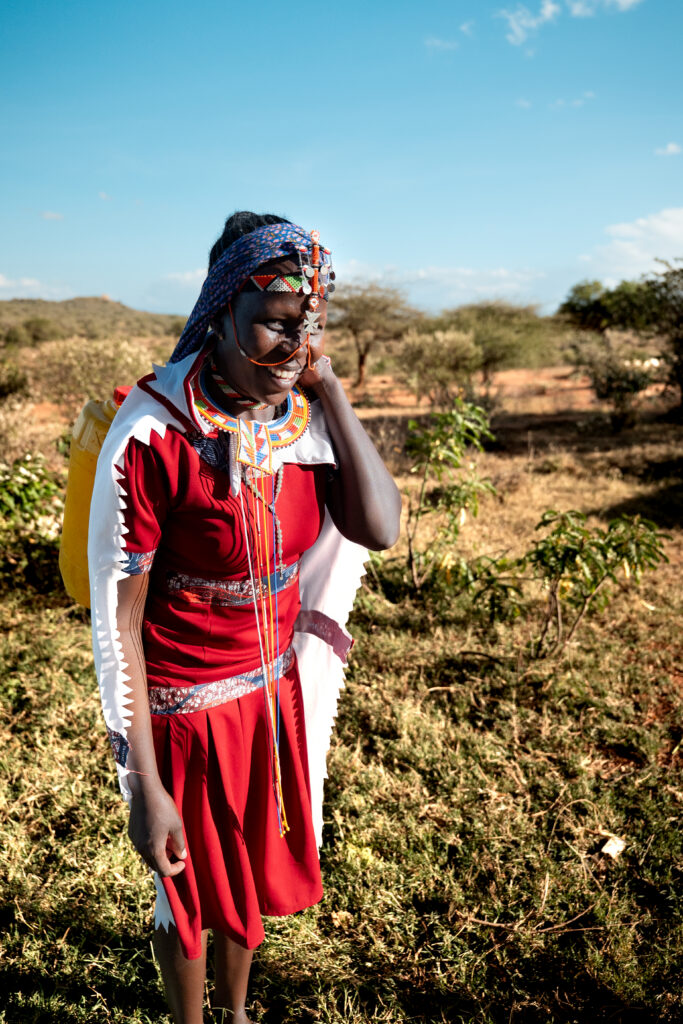
felistar's fight for water
In 2023, a drought took water away from Felistar and others in her community. She and other women spent hours each day, trying to bring up even a little water from the dry riverbed.
You will read more about that part of Felistar’s story in Called to Care.
During this time, finding enough water became increasingly difficult for families and their livestock.
Anglican Overseas Aid’s food program kept Felistar and her family alive during this drought in 2023, along with countless other people.
Since then, Felistar has taken steps to protect herself against future droughts, with the support and training of AOA's partner, the Anglican Church in Mt Kenya West.
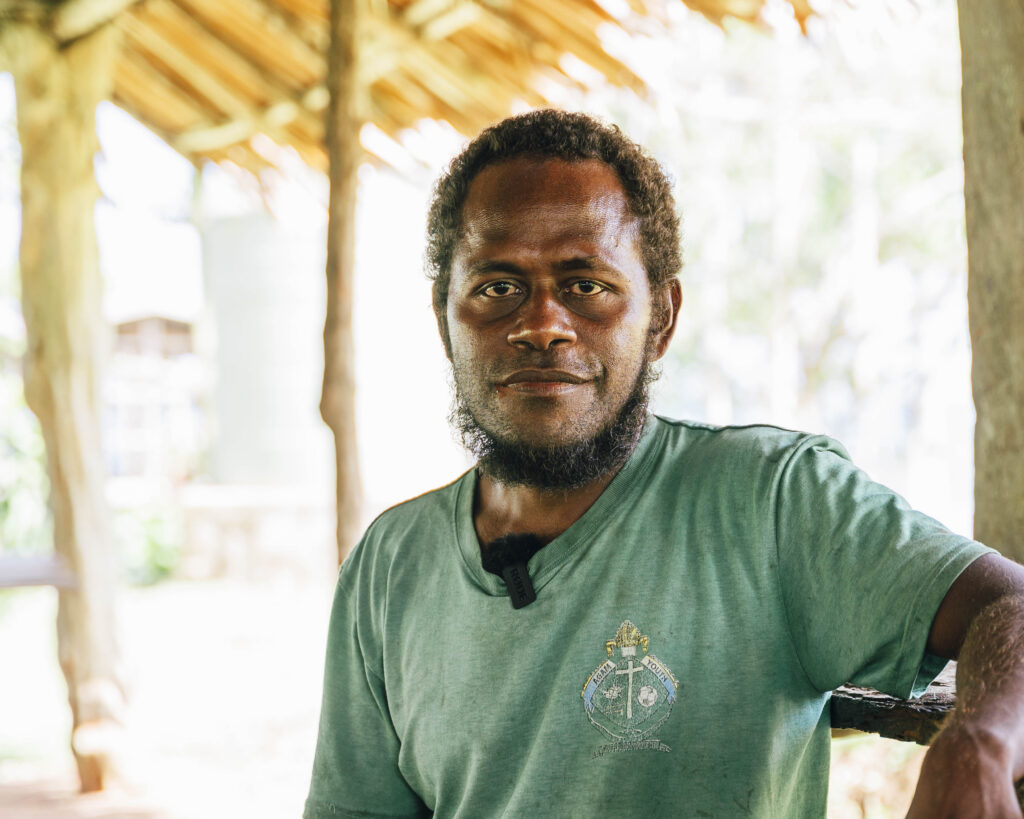
two villages, one shared future
Two neighbouring communities in the Solomon Islands are working together. Community leaders Nathaniel and James are sharing what they know, so both villages can meet their needs and prepare for future disasters.
Nathaniel is witnessing something entirely new. The Solomon Islands resident is seeing his own community work with its neighbour, for the good of both.
Working together, the two communities can protect each other from ever more-frequent disasters, driven by climate change.
The two villages don’t even share a language. But they share a desire to help each other. In a way it’s simple. Together they will produce staple food, cassava flour.
But it’s not that simple. It’s groundbreaking.
‘This has never happened before,’ Nathaniel says. ‘But now, we see how good it is to share what we know.’
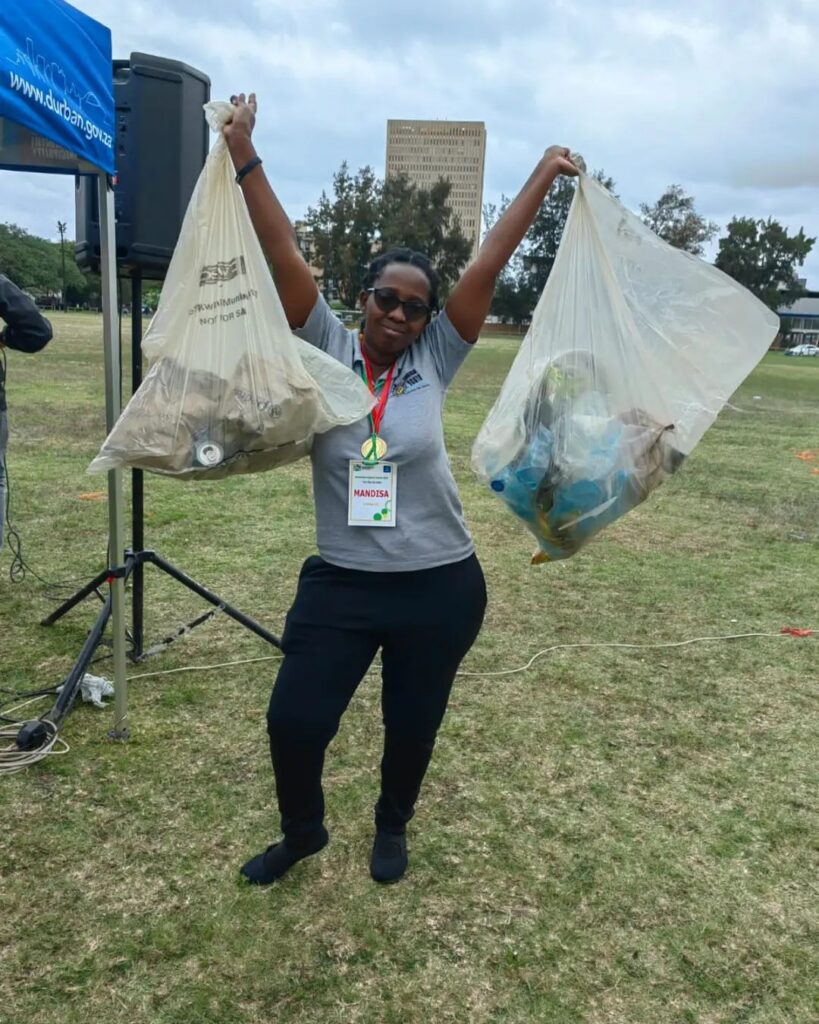
the earth is the lord's and everything in it
Each week, Mandisa calls out with her congregation in the Te Deum: 'We praise you O God: we acclaim you as Lord. All creation worships you: the Father Everlasting.'
In her South African home, Mandisa sees climate change hitting hard, particularly during the rainy season.
She sees African countries suffering the effects of climate change, while their own carbon emissions remain low. It motivates her to speak up against injustice caused by environmental degradation.
Mandisa organises litter clean-ups and championed a motion banning single-use plastics in the Anglican Church of Southern Africa. She creates momentum through social media influence too.
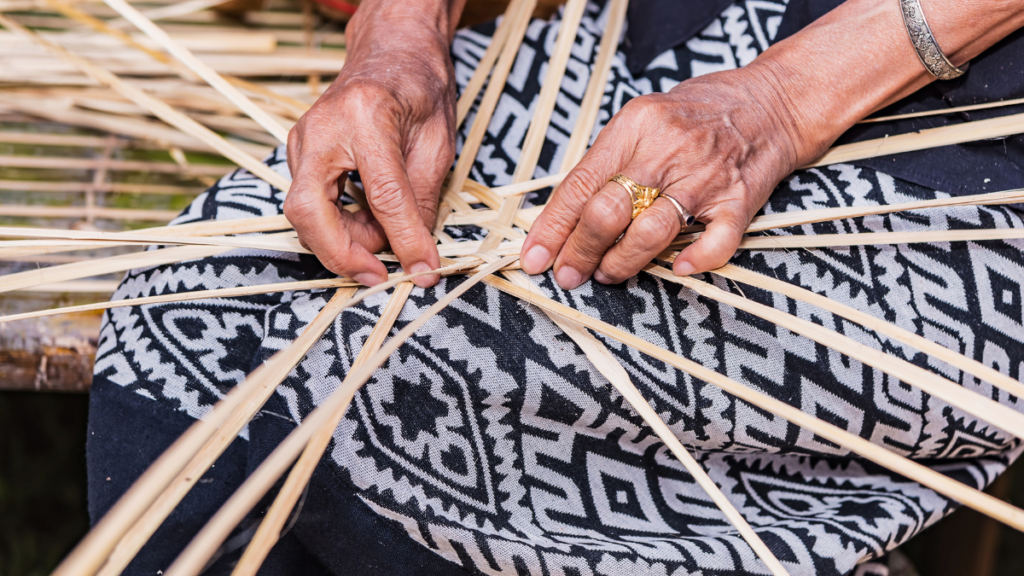
Reweaving the Ecological Mat
The REM Framework is a rethinking and rearticulating of development as it happens and affects the countries of the Pasifika, and all the churches within the region.